


PVA
Tax excluded. Actual tax rate varies by region.



Couldn't load pickup availability



Video


Truly Effortless Support Removal
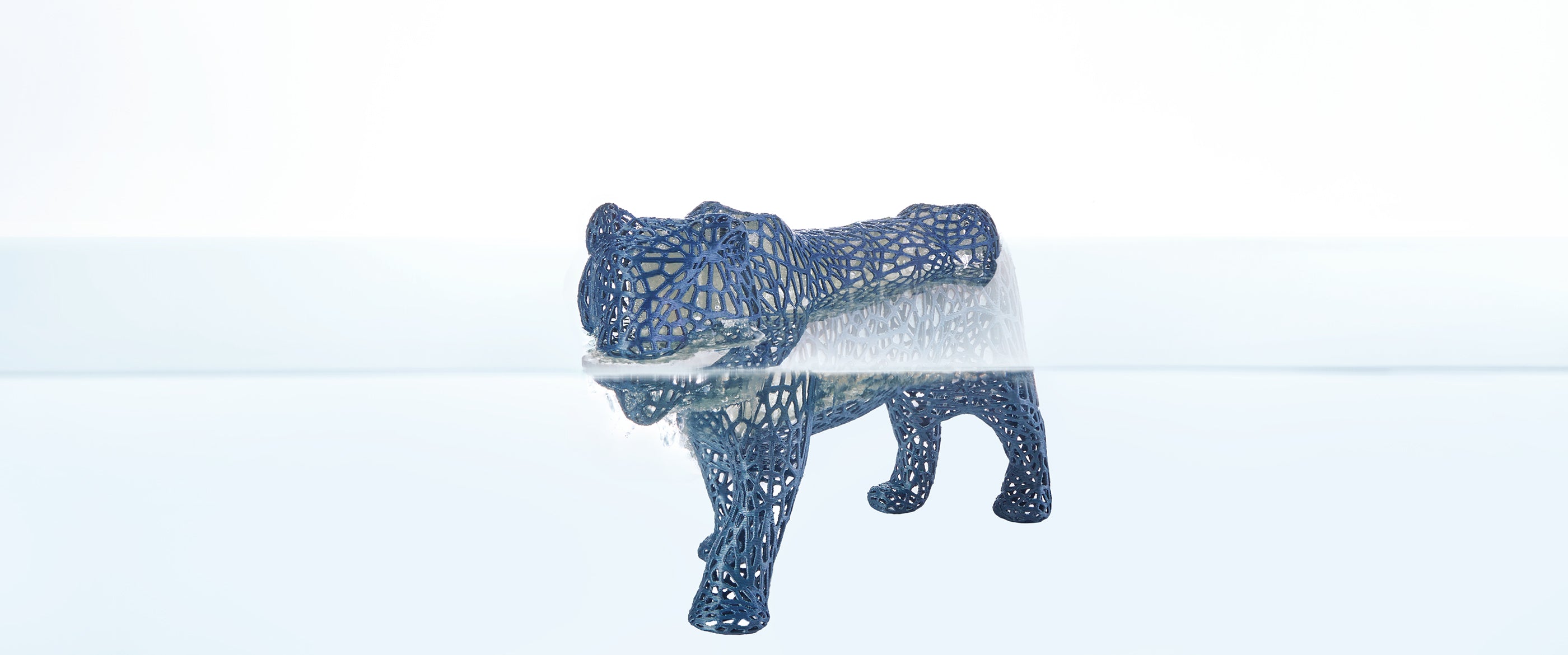
Anycubic PVA is a water-soluble support material specially engineered for intricate designs and steep overhangs. Because it dissolves completely in water, you can skip the tedious manual support removal and protect your print's finest details.


Preserving the Finest Detail
Anycubic PVA is 100% water-soluble, delivering a hands-off post-processing experience. By submerging the print, supports dissolve cleanly from complex internals, ball joints, and fine details that manual removal would ruin. The result is a smooth, precise surface that requires zero sanding or polishing.
*The higher the water temperature and the greater the water volume, the faster and more thorough the dissolution.


Improved Printing Success Rates
Anycubic PVA is a reliable support material for various filaments such as PLA, PETG, and TPU. Increase print success rates by providing reliable adhesion and solid support structures during printing.


Moisture Control Packaging
Because PVA is highly hygroscopic, Anycubic PVA arrives vacuum-sealed in high-barrier aluminum foil packaging with a dedicated anti-moisture seal. This protection completely isolates the filament from environmental humidity, ensuring optimal shelf life and out-of-the-box performance.

Filament Intelligent Identification
Integrated chips enable instant filament identification and automatic preset loading, delivering a streamlined printing experience.
Note: Requires an internet connection and is compatible exclusively with Anycubic printers.

Reusable Filament Spool
The reusable filament spool incorporates a threaded connection system engineered for enhanced stability when paired with spool-free filaments. This design significantly reduces the risk of entanglement, filament scattering, and operational errors.
*You can keep the spool for future use - saving costs and minimizing waste with every refill.
Filament Installation

1. Label the Filament

2. Load the Filament

3. Locking the Spool

4. Prepare the Filament
File Download
Precautions
- When opening PVA for the first time, it is recommended to use it with the ACE 2 Pro for simultaneous drying and printing. Otherwise, it may easily absorb moisture and lead to print failure. If the ACE 2 Pro is not available, the PVA must be printed in a sealed, dry environment (such as a dry box or sealed aluminum foil bag).
- After use, PVA must be stored in a sealed, moisture-proof container (aluminum foil bag / dry box) and thoroughly dried before the next print. Recommended drying conditions: 80°C in a forced-air dryer for 8–12 hours; or on a printer heated bed at 90–100°C for approximately 12 hours (flip halfway through). Caution: Do not exceed 100°C to avoid deformation or damage to the spool.
- PVA in a dry state is suitable for use with the ACE 2 Pro. If the filament becomes soft and sticky after absorbing moisture, it must be re-dried before use. Otherwise, it may cause feeding failures, nozzle clogging, and poor print quality.
- The higher the soaking water temperature, the faster the PVA dissolves (when used as PLA support, the soaking water temperature must be ≤50°C to prevent deformation of the main print). It can be removed when partially dissolved — complete dissolution is not necessary, reducing waiting time.
- After prolonged storage, or multiple or extended drying and storage cycles, it is normal for the color of PVA to change. This does not affect printing or support performance, and it can be used with confidence.
- PVA can be used as support in two ways: ① as the support + support interface; ② as the support interface only. If used as the support body: tree supports are not recommended during slicing (prone to collapsing).
Note: When drying PVA filament, use a forced-air oven with even temperature distribution and a large capacity. Keep the filament away from direct heating elements. Do not use a microwave or household kitchen oven, as this may damage the filament, spool, or printed models.


